Root Canals
Gentle therapy using advanced techniques.
Root Canal Explained
Root canal therapy is a dental procedure used to treat infection or severe inflammation inside a tooth. At Wilson Dental Associates, root canals save teeth that would otherwise need to be extracted, preserving your natural smile and avoiding the long-term complications that come with tooth loss. Despite their reputation, modern root canals are routine procedures performed under local anesthesia and are typically no more uncomfortable than getting a filling.
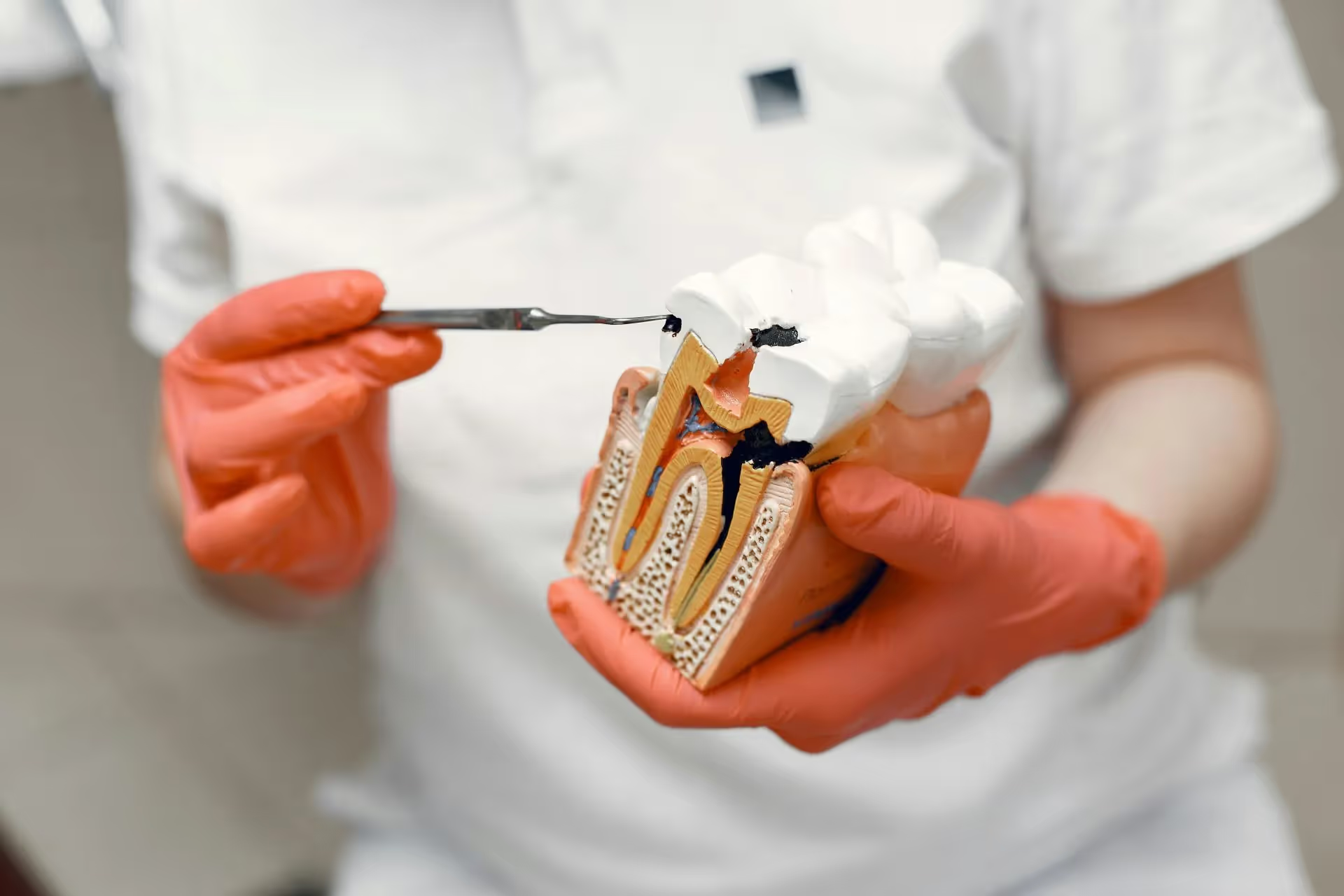
Inside every tooth is a chamber containing soft tissue called pulp, which includes nerves, blood vessels, and connective tissue. When pulp becomes infected or inflamed, usually due to deep decay, repeated dental procedures, a crack, or trauma, the result is often severe pain, sensitivity to hot and cold, swelling, or an abscess. Root canal therapy removes the infected or damaged pulp, cleans and disinfects the inside of the tooth, and then seals it to prevent reinfection. Once treated, the tooth is no longer alive in the traditional sense but remains functional and can last a lifetime with proper care.
After a root canal, the tooth is typically restored with a crown, particularly when the treatment is performed on a back tooth that experiences significant chewing forces. The crown protects the now-brittle tooth from fracture and restores full chewing function. Most root canals are completed in one or two visits, and patients typically experience relief from the original pain almost immediately. Modern techniques, including digital imaging and rotary instrumentation, have made root canal therapy faster, more comfortable, and more predictable than ever before.

How Treatment Works
Diagnose
X-rays and a clinical exam confirm the infection or inflammation inside the tooth and identify the best treatment approach.
Clean
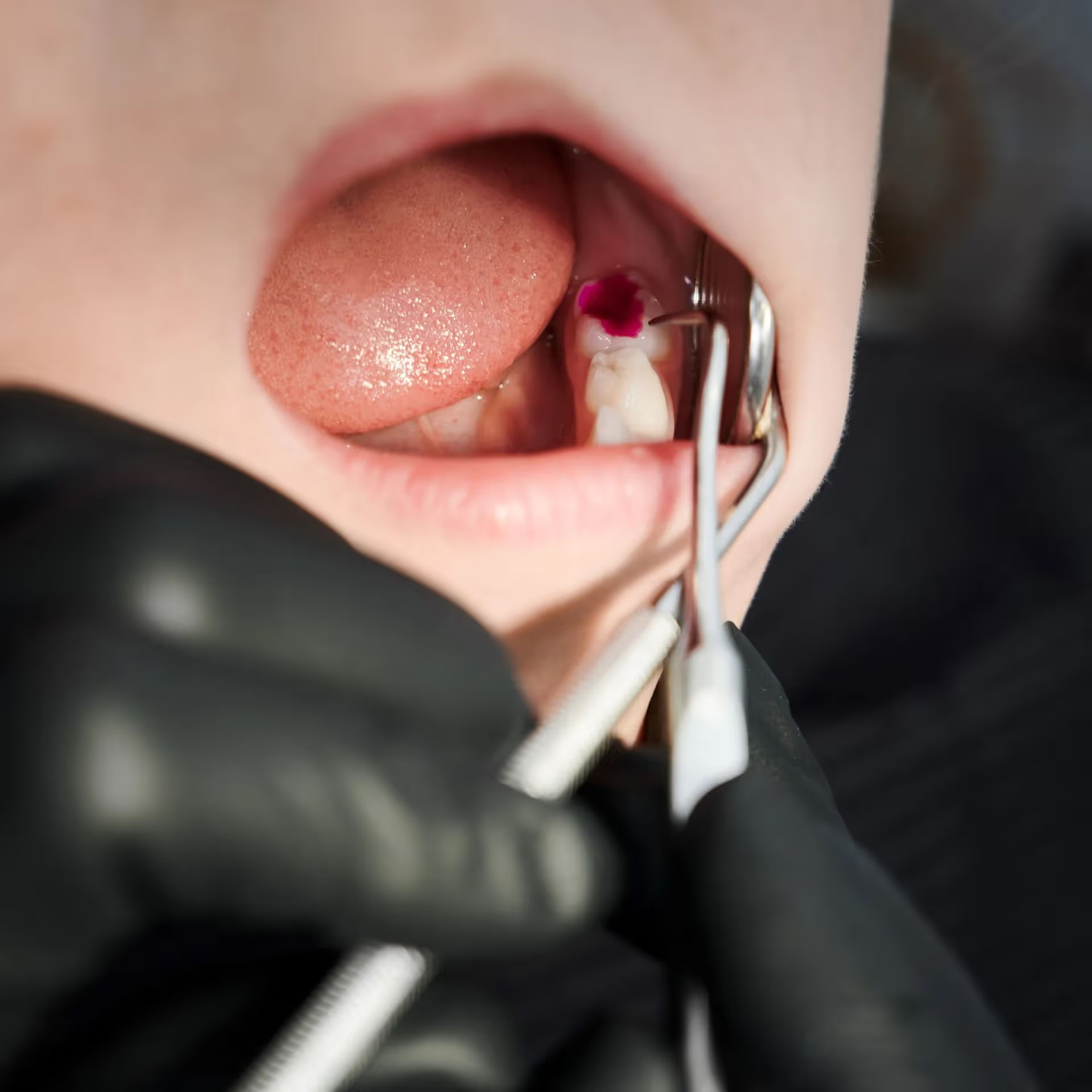
Under local anesthesia, the infected pulp is removed and the inside of the tooth is thoroughly cleaned, shaped, and disinfected.
Seal
The cleaned tooth is sealed with a biocompatible filling material called gutta-percha to prevent reinfection.
Restore
A crown or filling is typically placed afterward to protect the tooth and restore full function for many years to come.
Root Canal Approach
Many patients dread root canals, often because of outdated stories or anxiety about the procedure. At Wilson Dental Associates, we focus on making the experience as comfortable and predictable as possible. We use modern anesthesia techniques to ensure you feel no pain during the procedure, and we explain each step clearly so you know what to expect.
We take time to diagnose accurately using digital imaging, which lets us see the full anatomy of the tooth and plan treatment precisely. For complex cases, we may refer to or work with an endodontist (a root canal specialist) to ensure the best possible outcome. Our goal is always to save the natural tooth when possible because preserving your own teeth is almost always better than replacing them with a bridge or implant. After the root canal, we walk you through aftercare and follow up to make sure the tooth is healing properly.
Frequently Asked Questions
We’ve answered the most frequently asked questions to help you feel informed, prepared, and confident before your appointment.